





 A critical situation can become an example of good management. Learn why it is important to identify risks, assign clear roles and use mass notification systems such as VIPER MASS when defining your evacuation protocol.
The difference between a chaotic evacuation and an orderly, safe exit lies in an efficient evacuation plan, aligned with the emergency plan and designed for the company’s facilities. Disasters, whether natural or accidental, strike without warning.
Being prepared is essential to mitigate damage, ensure operational continuity and protect human life.
7 keys to drawing up an efficient evacuation plan
Many organizations are unclear about how to set up and implement evacuation plans. If you are wondering where to start or want to refine your strategy, here are 7 keys to consider:
- Risk identification. The first step in any evacuation plan is identifying potential risks. Chile is synonymous with seismic activity, volcanic eruptions and other natural phenomena. On top of that there are human-caused incidents, which can lead to fires or gas leaks. Identifying the most likely hazards for your industry lets you design a specific, suitable plan.
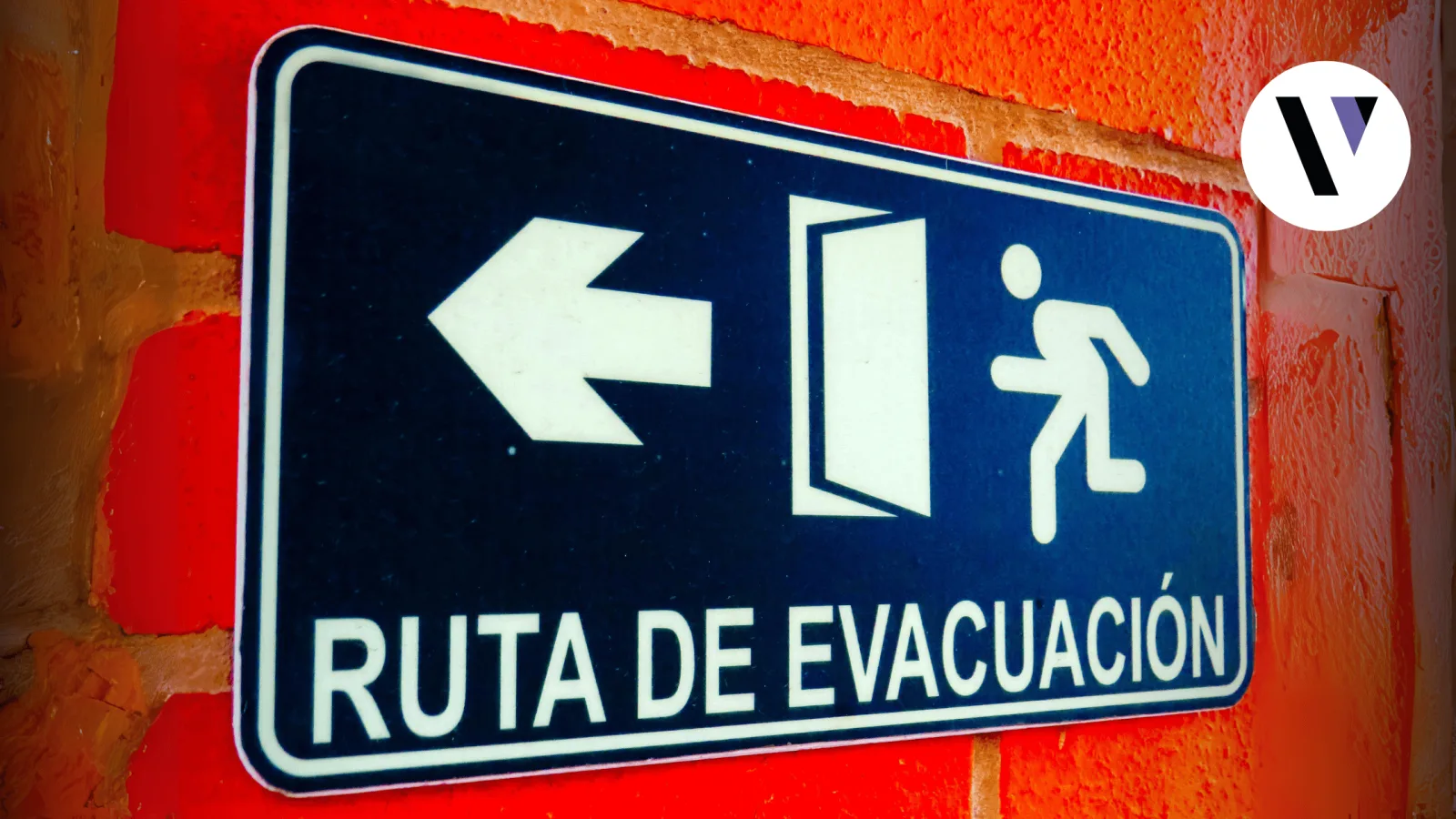
- Define evacuation routes. Evacuation routes must be clear and signposted. They must be accessible and free of obstacles at all times. It is also advisable to have several alternative routes in case the main one is compromised. Where to start? With the floor plan of the building or buildings.
- Set assembly points. Defining safe assembly points where evacuees can gather after leaving the affected area is crucial. These points should be at a safe distance from the hazard and have access to basic services such as water and first aid.
- Clear roles and responsibilities. An efficient evacuation plan is not only about knowing where to go, but also who does what. Setting specific roles within the organization, such as evacuation leaders or first aid officers, ensures everyone knows how to act in an emergency.
- Efficient communication. Communication is vital during an evacuation. Companies and organizations need robust systems to alert employees, suppliers and emergency personnel quickly and efficiently. Mass notification platforms such as VIPER MASS make communication easier and, ultimately, can save lives in critical situations.
- Regular drills. An evacuation plan is like a muscle that needs training to be effective. Drills help people become familiar with exit routes, assembly points and their responsibilities. They also help identify weaknesses or areas for improvement in the plan.
- Review and update the plan. Finally, the evacuation plan must be reviewed and updated regularly to reflect changes in facilities, staff or potential risks. What worked a year ago may not be suitable today, so constant review ensures the plan is always ready.
Preparation is key to facing any emergency. A well-designed evacuation plan not only protects people but also minimizes damage and losses. Implementing an emergency notification system such as VIPER MASS can make a big difference in how effective an evacuation is.